
Many outdoor IoT devices fail not because of the solar panel itself, but because of poor mounting choices that allow water to penetrate over time.
For most outdoor IoT devices, 3M VHB tape offers superior waterproof performance and a cleaner installation, while screw mounting provides lower cost but requires careful sealing to prevent long-term water ingress.
A recent customer project proved this perfectly. The ETFE solar panel continued generating power flawlessly, but moisture entered through the screw holes, causing the entire device to fail long before expected.
Table of Contents
- Why Does Solar Panel Mounting Matter?
- Customer Case: When the Solar Panel Wasn’t the Problem
- 3M VHB Tape: Advantages and Limitations
- Screw Mounting: Advantages and Challenges
- Comparison Table: Tape vs Screws
- How to Improve Waterproof Performance with Screw Mounting
- Which Solution Do Most Customers Choose?
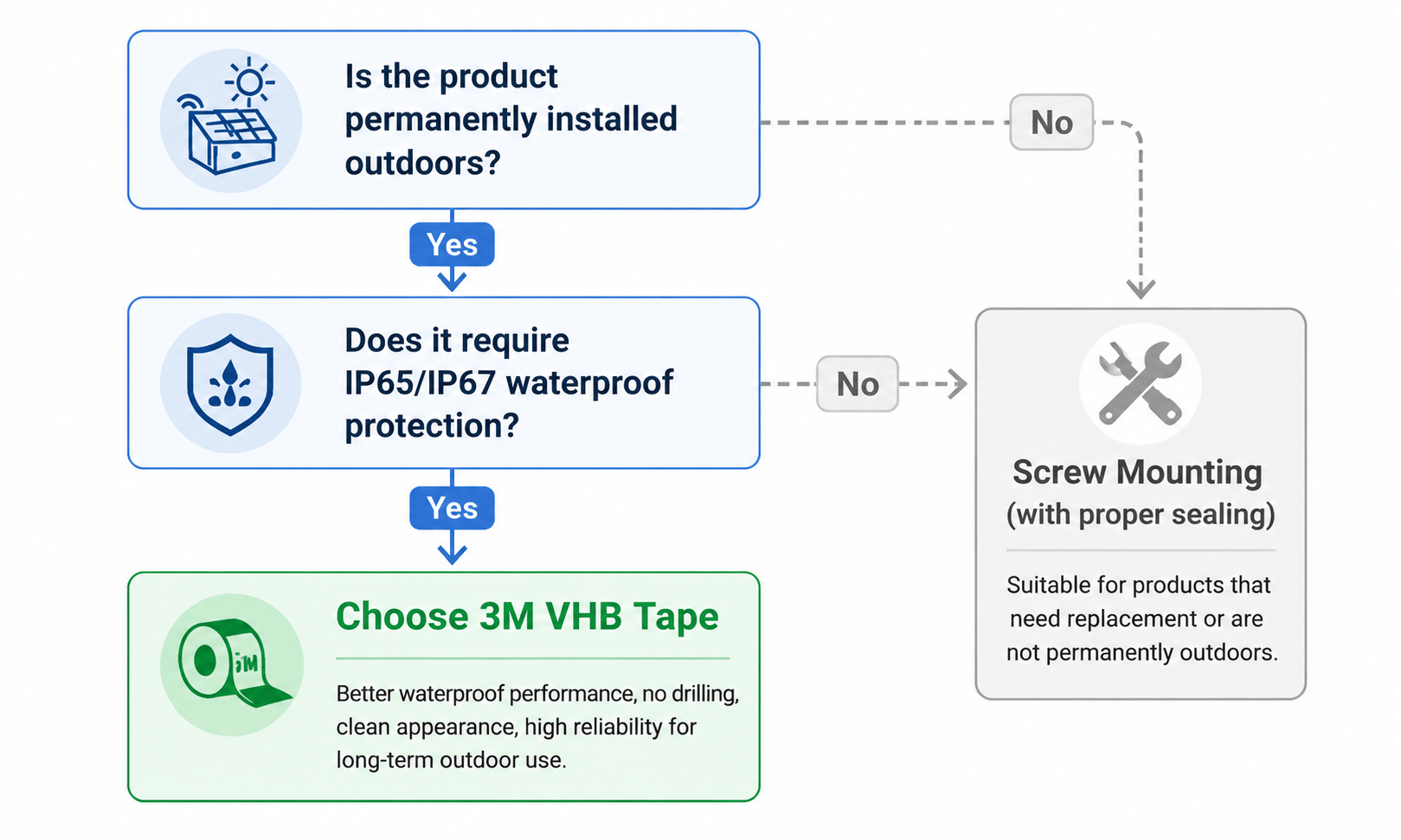
- Engineering Decision Flow
- Frequently Asked Questions
- Final Thoughts
Why Does Solar Panel Mounting Matter?
When engineers develop solar-powered IoT products, they often focus on solar cell efficiency, battery capacity, charging circuits, and wireless communication modules.
However, one design detail is frequently underestimated:
How should the solar panel be mounted?
Although it appears to be a simple mechanical decision, the mounting method directly impacts:
- Waterproof performance
- Product lifetime
- Manufacturing cost
- Maintenance requirements
- Overall product reliability
In outdoor environments, water ingress remains one of the leading causes of electronic device failure. A poorly designed mounting structure can compromise an otherwise excellent product.
Customer Case: When the Solar Panel wasn’t the Problem
One of our customers was developing a solar-powered environmental monitoring device using a customized ETFE solar panel.
The enclosure was designed to meet IP65 requirements.
To reduce production costs, the customer selected screw mounting.
During laboratory testing, the product performed well.
However, after several months of outdoor deployment, intermittent failures began to appear.
When several returned devices were inspected, moisture was found inside the enclosure.
Interestingly:
- The ETFE solar panel was still working normally.
- The battery remained healthy.
- The charging system continued operating correctly.
The actual problem was traced to the mounting holes.
Repeated exposure to rain, UV radiation, humidity, and temperature changes gradually weakened the sealing around the screws, allowing moisture to enter the enclosure.
The customer later redesigned the product using 3M VHB 5952 tape, eliminating the mounting holes entirely.
The updated design successfully passed long-term outdoor testing.
This project reinforced an important lesson:
The solar panel was not the failure point. The mounting method was.
3M VHB Tape: Advantages and Limitations
For outdoor IoT products, 3M VHB tape—particularly the 5952 series—is one of the most popular mounting solutions.
Advantages
- Excellent waterproof sealing
- No drilling required
- Clean and professional appearance
- Fast assembly process
- Reduced enclosure complexity
- Better resistance to water ingress
Because the tape creates a continuous seal between the solar panel and the enclosure, rainwater has very few opportunities to penetrate the device.
This makes it especially suitable for:
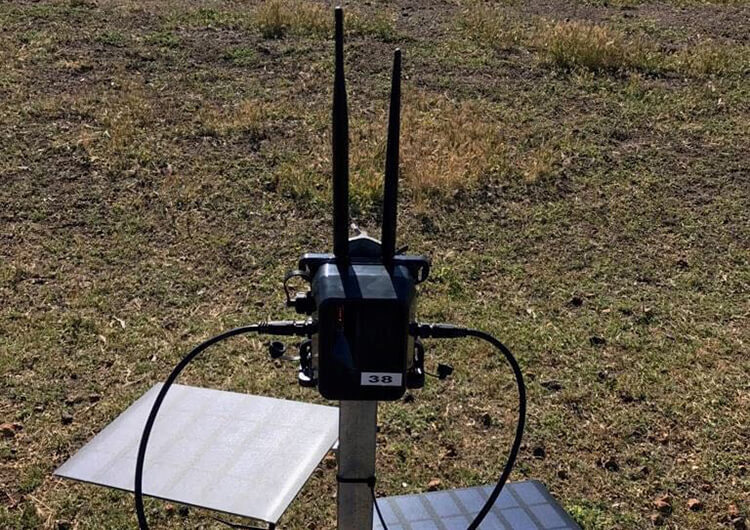
- Smart agriculture sensors
- Weather stations
- Environmental monitoring systems
- Asset tracking devices
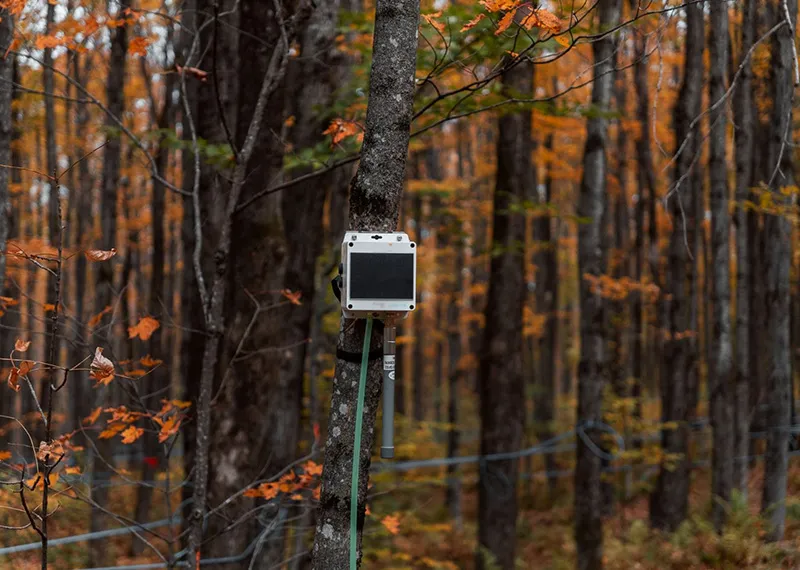
- Wildlife monitoring equipment
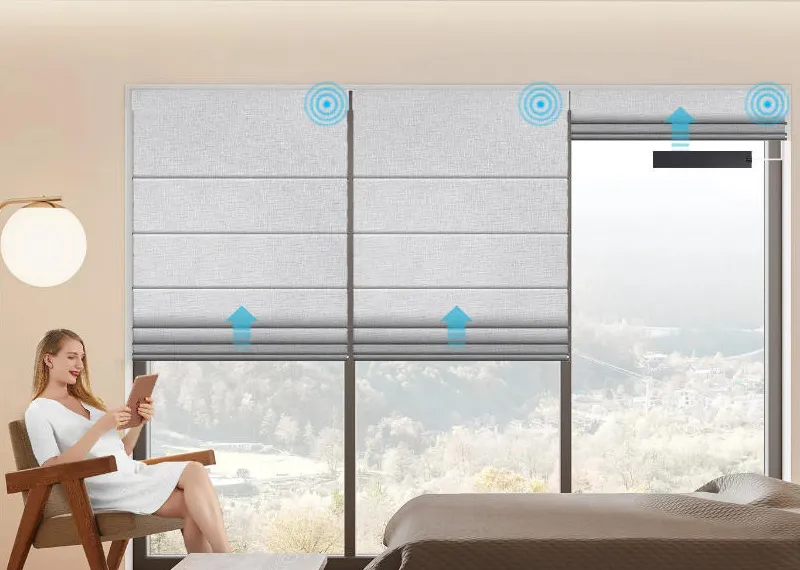
- Smart home products
Disadvantages
The primary disadvantage is cost.
Compared with mechanical fasteners, genuine 3M VHB tape is more expensive.
For high-volume production projects, this additional material cost should be considered.
Screw Mounting: Advantages and Challenges
Screw mounting remains a common choice because it provides strong mechanical fixation at a relatively low cost.
Advantages
- Lower material cost
- Strong mechanical strength
- Suitable for larger solar panels
- Easier replacement during maintenance
Challenges
Every mounting hole becomes a potential path for water ingress.
Even when waterproof washers and sealants are used, long-term performance depends on:
- Gasket quality
- Screw torque consistency
- Sealant durability
- Manufacturing quality
- Environmental aging
Without proper design, moisture can eventually penetrate the enclosure.
Comparison Table: Tape vs Screws
| Item | 3M VHB Tape | Screw Mounting |
|---|---|---|
| Waterproof Performance | ⭐⭐⭐⭐⭐ | ⭐⭐⭐ |
| Product Appearance | Excellent | Good |
| Assembly Speed | Fast | Medium |
| Material Cost | Higher | Lower |
| Long-Term Reliability | Excellent | Depends on sealing |
| Maintenance | Difficult to remove | Easy to replace |
| Recommended Applications | Outdoor IoT Devices | Large Panels & Serviceable Products |
How to Improve Waterproof Performance with Screw Mounting
If screw mounting is required, consider the following engineering practices:
- Use EPDM or silicone rubber washers
- Apply outdoor-grade silicone sealant
- Choose stainless steel screws
- Avoid placing holes where water can accumulate
- Design drainage paths around mounting locations
- Validate performance through IP65/IP67 testing
These measures can significantly reduce the risk of long-term water ingress.
Engineering Decision Flow
We’d Like to Hear Your Opinion
How do you mount solar panels on outdoor IoT devices?
Would you choose:
🔸 Waterproof adhesive tape?
or
🔸 Screw mounting with sealing?
Share your experience in the comments.
Different projects have different requirements, and we’d love to hear how other engineers solve this challenge.
Frequently Asked Questions
A1: Is 3M VHB tape strong enough for outdoor solar panels?
Yes.
High-quality tapes such as the 3M VHB 5952 series provide excellent long-term adhesion and weather resistance when properly applied.
A2: Can screw-mounted solar panels achieve IP67?
Yes.
However, waterproof performance depends on proper sealing design, gasket selection, and assembly quality.
A3: Which mounting method lasts longer outdoors?
In many outdoor IoT applications, adhesive mounting offers better long-term waterproof reliability because it eliminates penetration points.
A4:Can customized solar panels be supplied with pre-applied 3M tape?
Yes.
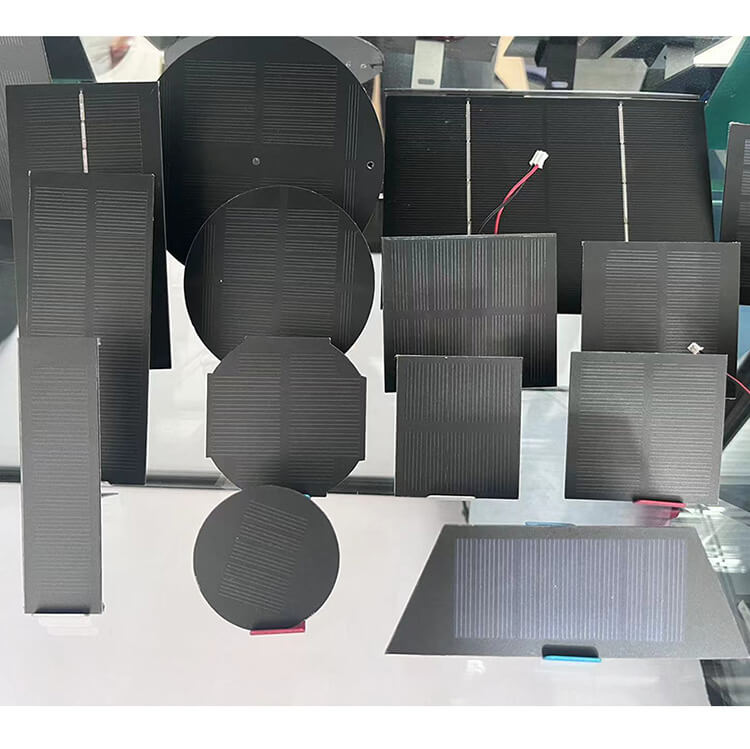
At XRSOLAR, we can provide customized ETFE solar panels with pre-applied 3M VHB tape, allowing faster assembly and improved waterproof performance.
Final Thoughts
Need a Customized Solar Panel?
At XRSOLAR, we design customized ETFE solar panels for:
- Smart Agriculture
- Environmental Monitoring
- GPS Tracking
- Smart Home Devices
- Industrial IoT Equipment
Beyond supplying customized solar panels, we also help customers optimize mounting methods, waterproof structures, connector selection, and overall product integration.
If you’re developing a solar-powered product, feel free to contact our engineering team for support.
0 Comments