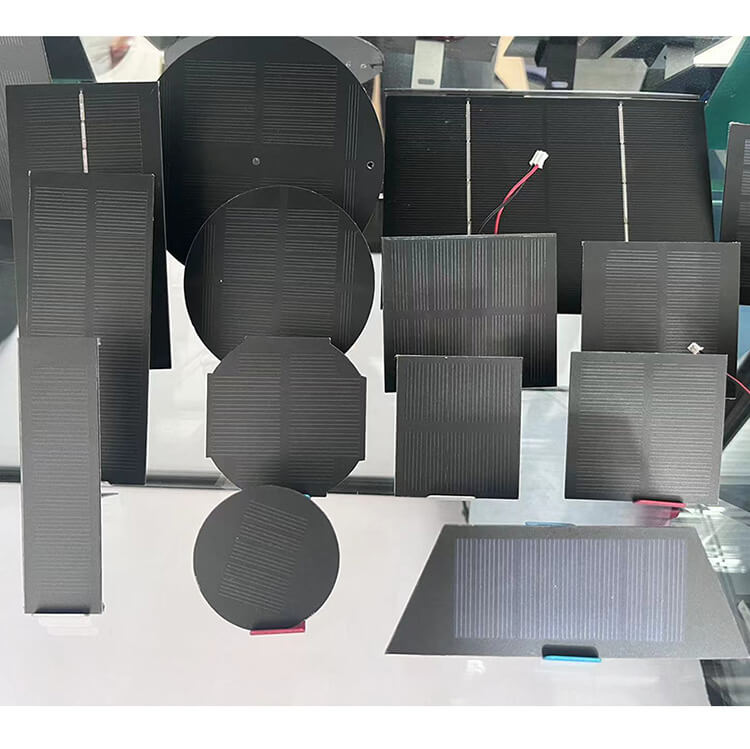
SOLAR SOLUTIONS FOR REMOTE MONITORING
Custom Solar Solutions for Remote Monitoring Systems
Custom solar panels engineered for remote sensors, monitoring stations and telemetry equipment — optimized for energy consumption, battery configuration, installation space and long-term outdoor operation.
THE REMOTE MONITORING POWER CHALLENGE
Reliable Power Is Critical for Unattended Monitoring Systems
Remote monitoring equipment may operate for months or years in locations where grid power and routine maintenance are unavailable. Solar generation, battery autonomy and system energy balance directly affect long-term reliability.
Continuous Power Demand
Monitoring equipment must maintain sensing, data logging and communication functions every day, even when individual devices consume relatively little power.
Limited Maintenance Access
Remote installations may be difficult or expensive to access, making reliable charging and longer maintenance intervals especially important.
Changing Sunlight Conditions
Seasonal sunlight, shading, weather and installation angle can significantly affect the energy available for battery charging.
Battery Autonomy
The solar panel and battery must be sized together to maintain operation through nights, cloudy periods and other low-sunlight conditions.
OUR ENGINEERING APPROACH
We Design the Solar System Around Your Monitoring Device
For remote monitoring systems, solar panel design should start with the device’s actual energy demand, battery autonomy requirements, site conditions and installation constraints. Our engineering team reviews these factors together before determining the appropriate panel voltage, power, size and structure.
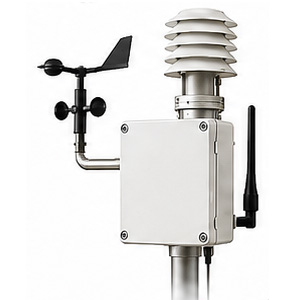
Device Energy Demand
Review operating voltage, average power consumption, peak current and daily working cycle.
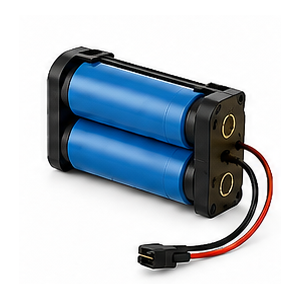
Battery & Autonomy
Evaluate battery voltage, capacity, charging limits and the required operating time during nights or low-sunlight periods.
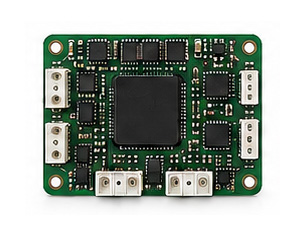
Site & Sunlight Conditions
Consider local sunlight hours, seasonal variation, shading, installation angle and expected outdoor conditions.
04
Installation Constraints
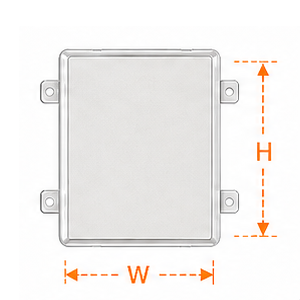
Confirm available panel area, mounting method, enclosure design, cable routing and mechanical limitations.
05
Solar Panel Design
Determine the appropriate panel voltage, power output, dimensions, material and integration method for the complete system.
Need a Solar Panel Engineered for Your Remote Monitoring System?
Share your device power consumption, battery specification, installation space and operating environment. Our engineering team will help evaluate the right solar panel configuration for your system.
REMOTE MONITORING APPLICATIONS
Solar Solutions for Remote Monitoring Applications
Custom solar panels for unattended monitoring systems, environmental sensors, telemetry equipment and remote data collection devices operating in off-grid environments.
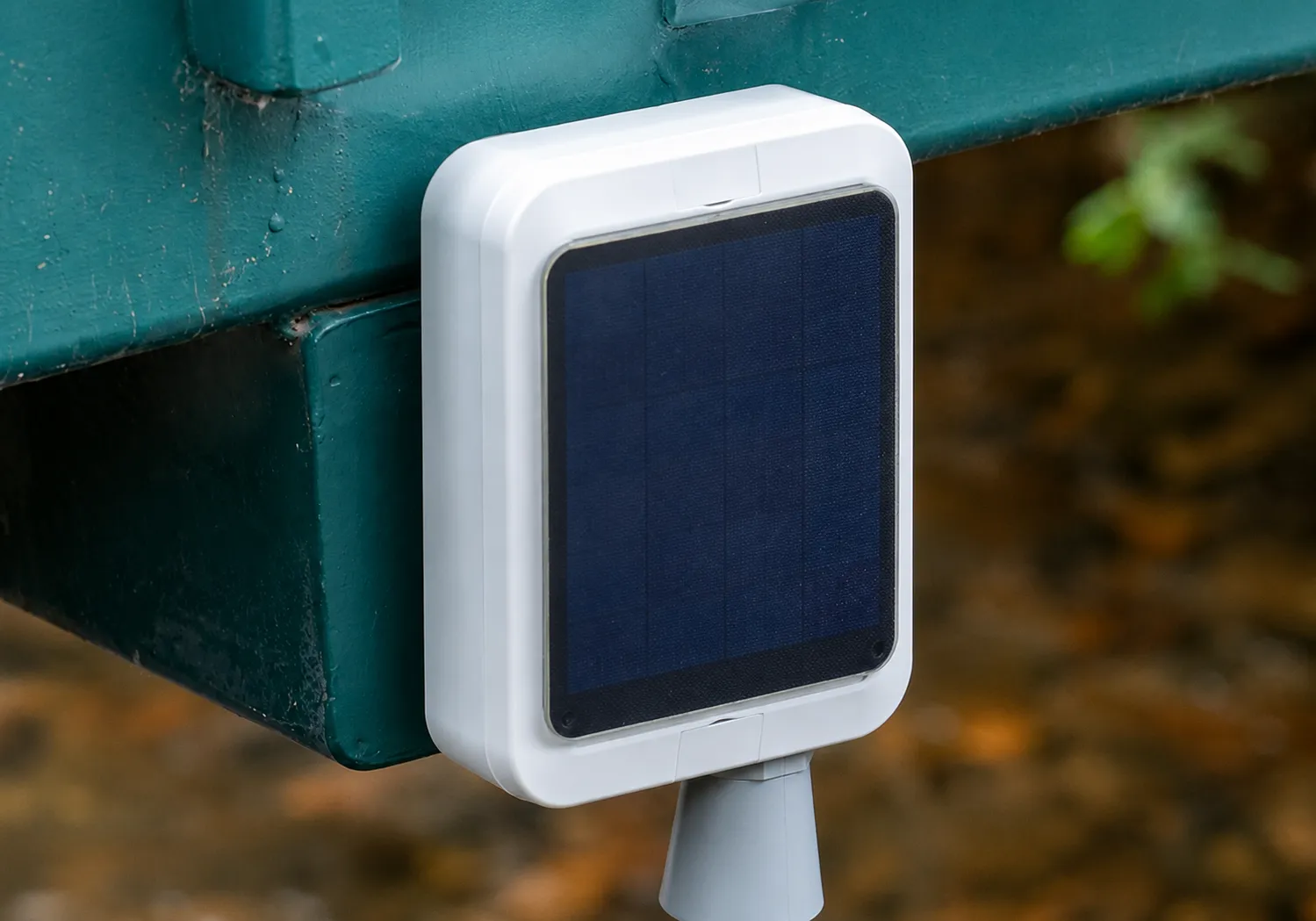
Environmental Monitoring
Reliable solar power for environmental sensors and monitoring equipment deployed in remote outdoor locations.
✓ Air quality monitoring
✓ Water quality sensors
✓ Environmental data loggers
Water & Level Monitoring
Solar-powered solutions for water level, flood, reservoir and hydrological monitoring systems.
✓ Water level sensors
✓ Flood monitoring systems
✓ Reservoir monitoring
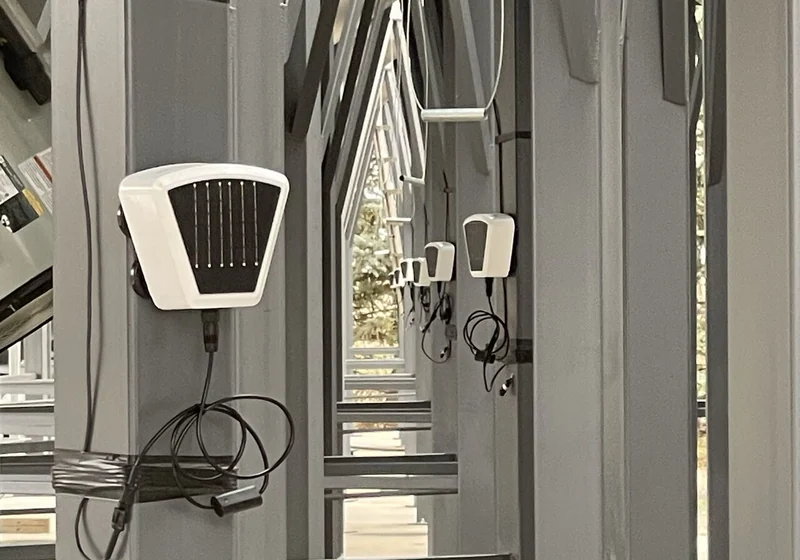
Industrial Telemetry
Custom solar panels for telemetry and remote data transmission equipment used in unattended industrial locations.
✓ Remote telemetry units
✓ Pipeline monitoring
✓ Infrastructure monitoring
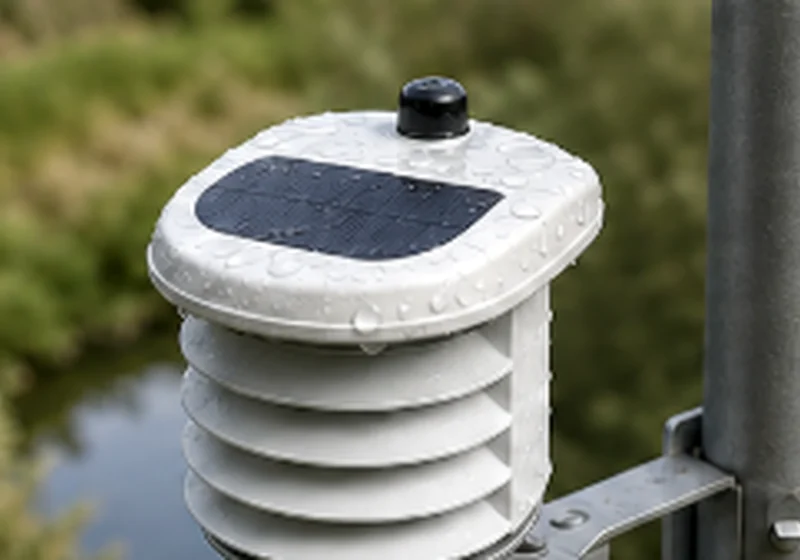
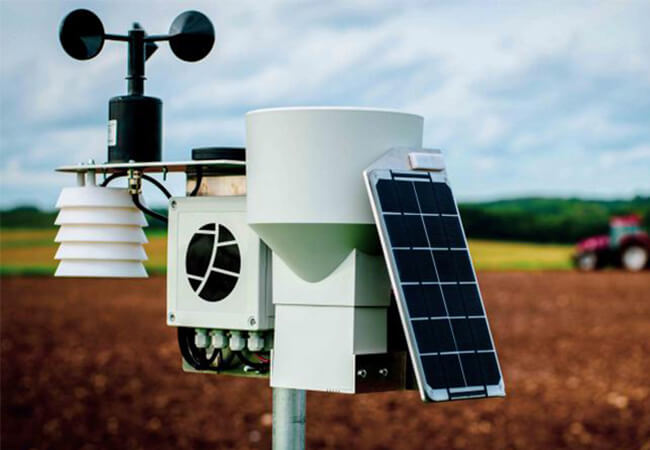
Weather Monitoring
Reliable solar power for weather stations and meteorological sensors operating in remote outdoor locations.
✓ Weather stations
✓ Rainfall monitoring
✓ Temperature & humidity sensors
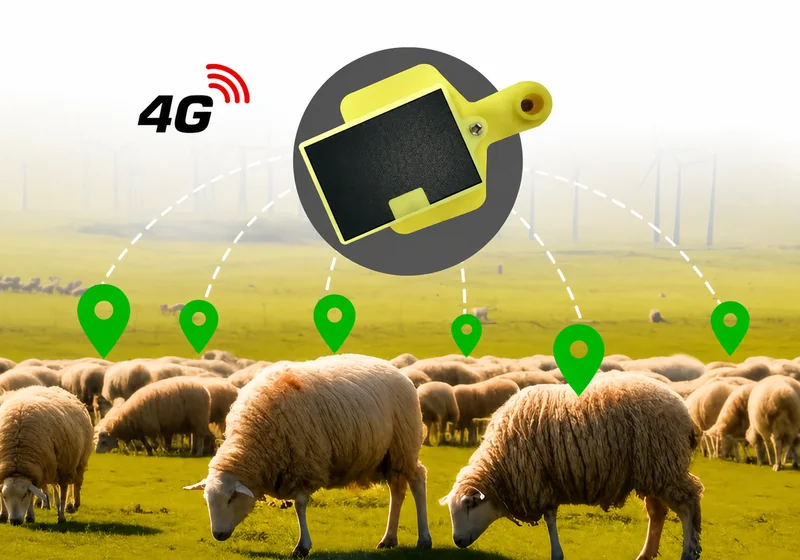
Agricultural Monitoring
Compact solar solutions for agricultural sensing and remote field monitoring equipment.
✓ Soil sensors
✓ Crop monitoring systems
✓ Irrigation monitoring
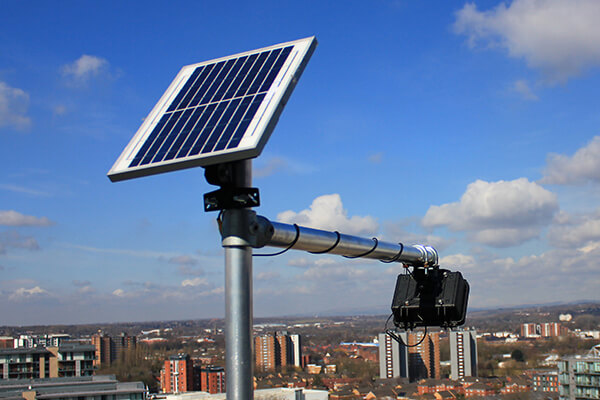
Security & Surveillance
Solar power solutions for remote security and surveillance equipment installed where grid power is unavailable.
✓ Remote cameras
✓ Perimeter monitoring
✓ Site surveillance systems
Need a Solar Panel Designed for Your Remote Monitoring System?
Share your device power requirements, battery setup, installation space and operating environment. Our engineering team can help evaluate the right solar panel solution.
CUSTOM SOLAR PANEL OPTIONS
Custom Solar Panels Designed for Remote Monitoring Systems
Remote monitoring projects often have different electrical, mechanical and environmental requirements. We customize panel size, voltage, power output, materials and mounting options to match your device design and operating conditions.
Custom Size & Shape
Design the solar panel around the available surface area of your enclosure, housing or equipment.
✓ Rectangular, round or irregular shapes
✓ Compact dimensions
✓ Designed around your enclosure
Custom Voltage
Configure panel voltage to match the battery, charging circuit and electrical architecture of your remote monitoring system.
✓ Low-voltage monitoring systems
✓ 5V / 6V / 12V / 24V configurations
✓ Custom electrical specifications
Custom Power Output
Optimize solar output according to device consumption, battery capacity, operating cycle and expected sunlight conditions.
✓ Low-power monitoring devices
✓ Daily energy-based sizing
✓ Design margin for outdoor conditions
04
Material & Surface Options
Select the panel structure according to outdoor durability, weight, appearance and expected service life.
✓ ETFE for lightweight outdoor devices
✓ Epoxy resin for cost-sensitive applications
✓ Glass for long-life installations
✓ Flexible structures for curved surfaces
05
Integration & Mounting Options
Customize the electrical output and mounting structure to simplify integration into your final product.
✓ Cable or solder pad output
✓ Custom connectors
✓ Mounting holes
✓ Adhesive backing
✓ Rear-side cable output
Engineering Note:
The final solar panel specification should be determined by device power consumption, battery autonomy, installation area and operating environment — not by panel wattage alone.
Ready to Design a Solar Panel for Your Remote Monitoring System?
Send us your device specifications, battery details and installation requirements. Our engineers will help evaluate the right solar panel solution.
MATERIAL SELECTION
Choose the Right Solar Panel Material for Remote Monitoring
Different remote monitoring applications require different levels of durability, weight, rigidity and outdoor protection. We help select the appropriate solar panel material based on installation environment, expected service life and device structure.
| Material | Best For | Key Benefits | Things to Consider | Typical Applications |
|---|---|---|---|---|
| ETFE Recommended | Compact outdoor monitoring devices and lightweight installations | Lightweight, UV resistant, weather resistant, custom shapes | Higher material cost | Sensors, trackers, monitoring devices |
| Epoxy | Cost-sensitive small electronic devices | Low cost, compact structure, good appearance | Limited UV and long-term outdoor durability | Indoor sensors, low-cost electronics, educational devices |
| Glass | Long-life fixed installations | Excellent durability and stable performance | Heavier and thicker | Weather stations, industrial monitoring |
| Flexible | Curved or irregular installations | Lightweight and adaptable to curved surfaces | Mounting and bending radius require evaluation | Curved housings, portable outdoor devices |
Engineering Guidance:
For unattended outdoor monitoring systems, ETFE or glass is typically preferred depending on required lifetime, weight and installation method.
PROJECT DEVELOPMENT
From Prototype to Production
A clear development process helps reduce design risk, verify performance and move your remote monitoring project smoothly from concept to mass production.
Requirement Review
Review device power consumption, battery specifications, installation limits and operating environment.
Solar Panel Design
Define panel size, cell layout, voltage, power output and material structure.
Prototype Development
Produce custom samples for mechanical fit, electrical performance and product integration.
04
Testing & Validation
Verify electrical output, dimensions, appearance and project-specific requirements.
05
Mass Production
Transfer the approved design into controlled OEM production with quality checks before shipment.
Ready to Move Your Remote Monitoring Project Forward?
Send us your device specifications, battery details and installation requirements. Our engineering team can review the project and recommend the next development step.
WHY OEM TEAMS CHOOSE XRSOLAR
Built for Remote Monitoring Solar Projects
From compact prototypes to recurring production orders, XRSOLAR supports remote monitoring teams with engineering, customization and controlled manufacturing.
Engineering Support
Optimize solar panel size, voltage, power output and integration based on your application requirements.
OEM Manufacturing
Flexible production support from prototype samples to repeat orders.
Quality Assurance
100% electrical testing with visual and production inspection before shipment.
Long-Term Project Support
Consistent specifications, repeat-order support and ongoing engineering communication for long-term remote monitoring projects.
10+
Solar Manufacturing Experience
7
Production Lines
100%
Electrical Testing
Custom
Size • Voltage • Power • Mounting
REMOTE MONITORING FAQ
Frequently Asked Questions About Solar Power for Remote Monitoring
Common questions about designing and integrating custom solar panels for remote monitoring systems, sensors and telemetry equipment.
Still Have a Technical Question?
Share your device requirements, battery information or installation constraints. Our engineering team can help review your project.
Q1. How do you size a solar panel for a remote monitoring system?
Solar panel sizing depends on the device’s daily energy consumption, battery capacity, charging requirements, local sunlight conditions and required autonomy during low-sunlight periods.
We review these factors together before recommending panel voltage, power and dimensions.
Q2. What information do you need before designing the solar panel?
We typically need device operating voltage, average and peak power consumption, battery specifications, available installation area, mounting method and expected operating environment.
Q3. Can the solar panel be customized to fit our enclosure?
Yes. We can customize panel dimensions, shape, thickness, mounting holes, adhesive backing, cable routing and connector options to match your enclosure design.
Q4. Which solar panel material is best for outdoor remote monitoring?
ETFE is commonly used for compact and lightweight outdoor devices, while glass panels are often preferred for long-term fixed installations.
The best option depends on lifetime requirements, weight, structure and installation environment.
Q5. How much battery autonomy should a remote monitoring system have?
Battery autonomy depends on the application, weather conditions and maintenance strategy.
Remote systems are often designed with enough stored energy to operate through nights and several low-sunlight periods.
Q6. Can you produce prototypes before mass production?
Yes. We support prototype development for mechanical fitting, electrical validation and system integration before moving to pilot or mass production.
Q7. What testing is performed before shipment?
Solar panels are checked for electrical performance, dimensions, appearance and key production requirements before shipment.
Q8. Can you support repeat OEM production?
Yes. We support long-term OEM projects from prototypes and pilot runs to recurring production orders, including specification updates and ongoing engineering support.
Ready to Design a Solar Solution for Your Remote Monitoring System?
Whether you’re developing a new remote monitoring system, upgrading an existing product or looking for a reliable OEM manufacturing partner, our engineering team is ready to support your project.
Share your device power consumption, battery specifications, installation space and operating environment. Our team will review the project and recommend the next step.
Years in Solar Industry
Production Lines
Electrical Testing
Support