
To run a 24,000 BTU air conditioner, you would typically need a solar power system with a capacity between 3 kW and 5 kW, and Inverter: A 3.5 kW to 5 kW pure sine wave inverter (preferably a solar inverter). The exact size heavily dependent on your daily usage hours and, most importantly, whether you want a grid-tied or off-grid system.
However, designing a solar system is not only about calculating total watts.
For OEM projects, RV applications, marine systems, and industrial equipment, the solar panel design also depends on:
– Available installation space
– Operating voltage
– Battery charging strategy
– Environmental conditions
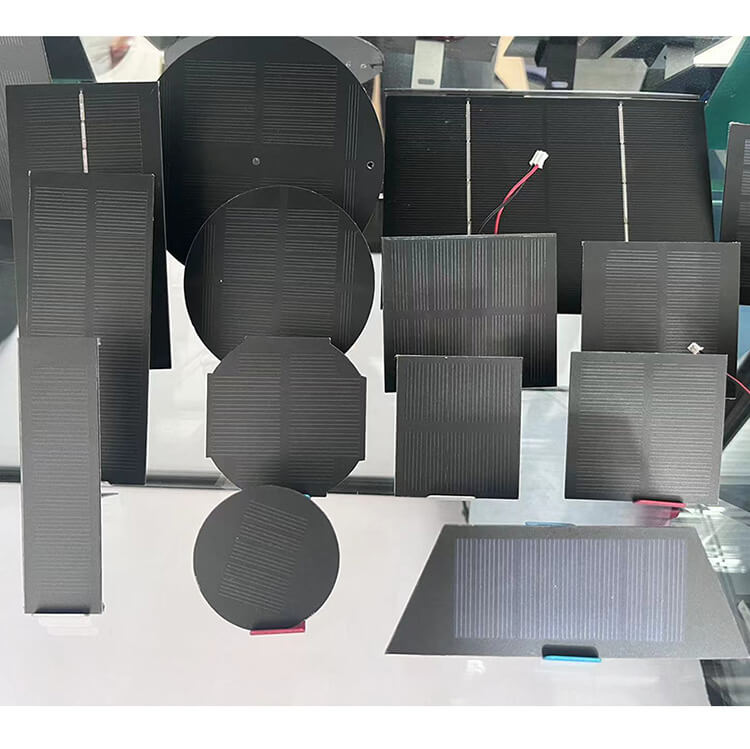
This is why many applications require customized solar panels instead of standard modules.
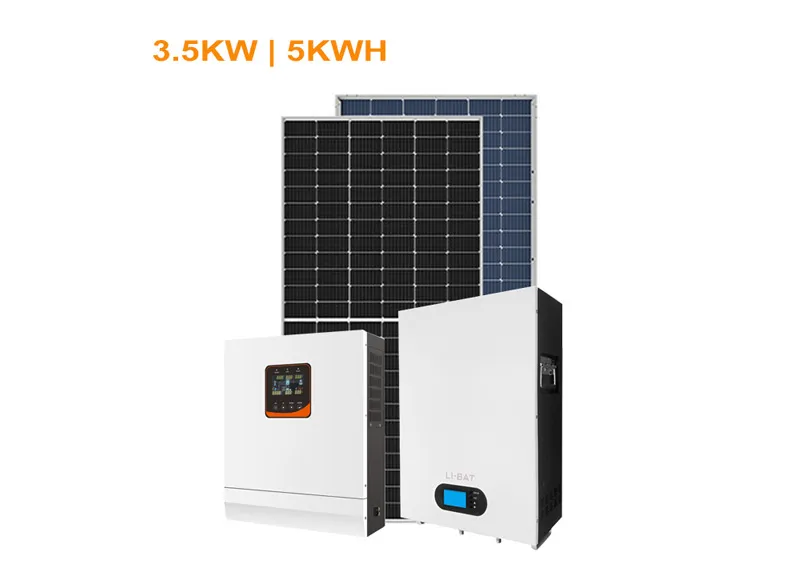
Can a Solar Panel Power a 24000 BTU Air Conditioner?
Many users ask whether solar panels can directly power a 24000 BTU air conditioner.
The answer depends on:
– Solar panel output
– Battery capacity
– Inverter efficiency
– Daily sunlight hours
Detailed Breakdown
1. Sizing the Solar Panels
The panels must generate enough energy to power the AC. We calculate this based on the AC’s energy consumption.
Step 1: Calculate the AC’s Power Consumption
- Cooling Capacity: 24,000 BTU/h ≈ 7 kW.
- Assuming a high efficiency (EER 12, COP ~3.5), power consumption is: 7 kW / 3.5 ≈ 2.0 kW at full load.
- Since it’s an inverter AC, average running power is lower, around 1.3 kW – 1.6 kW.
Step 2: Calculate Daily Energy Need
- Running for 6 hours: 1.5 kW × 6 h = 9 kWh (kilowatt-hours).
Step 3: Size the Panels Based on Sunlight
- Assuming 4 peak sun hours per day: 9 kWh / 4 h = 2.25 kW (theoretical minimum).
- Accounting for system losses (~15%): 2.25 kW × 1.15 ≈ 2.6 kW.
This 2.6 kW is the energy production needed. Now, the system type determines the final size.
| System Type | Recommended Solar Panel Size | Reason |
|---|---|---|
| Grid-Tied System | 3 kW – 4 kW | Panels cover the AC’s usage and contribute to other home loads. No battery charging is needed. A larger size is cost-effective. |
| Off-Grid System | 5 kW or largETFE flexible solar panels for outdoor applicationser | Panels must power the AC andfully recharge a large battery bank for use at night or on cloudy days. Significant oversizing is required. |
| RV/Marine / Mobile | Customized based on space limitation | Limited roof space requires customized solar panels with optimized size, shape, and output to achieve the best energy performance |
Need a Custom Solar Panel Solution?
Whether you are developing an off-grid system, industrial device, or OEM product, XRSOLAR provides customized solar panels from prototype to mass production.
- Glass solar panels from 10W to 300W
- ETFE flexible solar panels for outdoor applications
- Custom voltage, size and power output
- OEM production starting from 100pcs
- Engineering support for your application
2. Sizing the Inverter
The inverter converts the DC electricity from the solar panels (and batteries) into AC electricity for the air conditioner. Sizing it correctly is crucial, especially for the motor’s startup surge.
Key Rule: The inverter’s continuous power rating must be greater than the AC’s running power, and its surge power rating must be greater than the AC’s startup surge current.
- AC’s Running Power: ~1,500 Watts (1.5 kW)
- AC’s Startup Surge: Air conditioners require a large burst of power (3-7 times the running wattage) for 2-3 seconds to start the compressor. For a 1.5 kW AC, this surge can be 4,500 to 6,000 Watts.
Inverter Sizing Recommendation:
- Continuous Power: You need an inverter rated for at least 2.0 kW (2000W) continuous to handle the average running load comfortably.
- Surge Power: The inverter must have a surge rating of at least 5,000W (5 kW) to handle the startup current without overloading and shutting down.
Type of Inverter:
- Grid-Tie Inverter: Doesn’t power the AC during a blackout. A 3-4 kW grid-tie inverter would be standard for a system of that size.
- Off-Grid/Hybrid Inverter: Must have the 5kW surge capability. A 5 kW pure sine wave off-grid inverter is a safe and common choice. It provides enough headroom for startup and other appliances.
Summary: Recommended Systems
| System Type | Solar Panels | Inverter | Battery Required? |
|---|---|---|---|
| Grid-Tied (No Backup) | 3 kW – 4 kW | 3 kW – 4 kW Grid-Tie Inverter | No |
| Off-Grid (Full Backup) | 5 kW+ | 5 kW Off-Grid Inverter (5,000W surge) | Yes, large (10+ kWh) |
Final Recommendation: This is a theoretical guide. Please consult a qualified solar installer. They will perform a precise load calculation, analyze your local sun exposure, and design a system that is safe, efficient, and meets your specific needs, ensuring the inverter can handle the compressor’s exact starting current.
Solar Applications Beyond Residential AC Systems
While large solar systems are common for air conditioning, small solar modules are widely used for:
✓ Remote monitoring equipment
✓ IoT sensors
✓ Outdoor electronics
✓ Smart agriculture devices
If you are interested, please check out more articles about solar systems at home:
How to Choose a Suitable Solar System for My Home?
How Many Solar Panels Do I need for Home?
How Long Do Solar Panels Last? A Guide for Product Integration
0 Comments