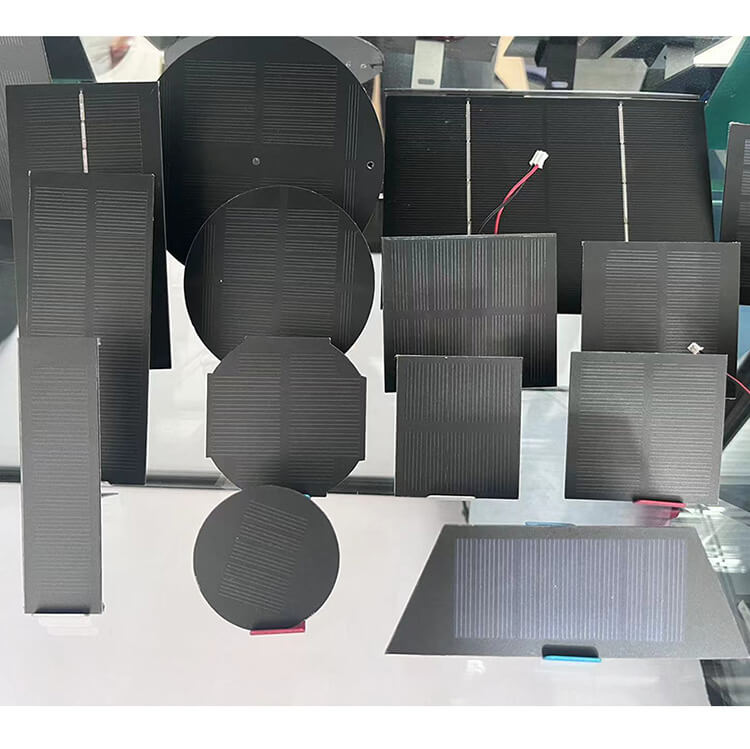
EPOXY SOLAR PANELS
Custom Epoxy Solar Panels for Small Electronic Devices
XRSOLAR designs and manufactures custom epoxy solar panels for small electronic devices, toys, educational products, smart home devices and other low-power OEM applications.
Low Cost
Suitable for cost-sensitive products
Compact Size
Ideal for small electronic devices
Clean Appearance
Smooth surface for product integration
Easy Integration
Custom size, voltage and connection options
PRODUCT OPTIONS
Epoxy Solar Panel Options for Compact Devices
Choose from compact epoxy solar panel options or customize the size, voltage, power output and connection method for your product.
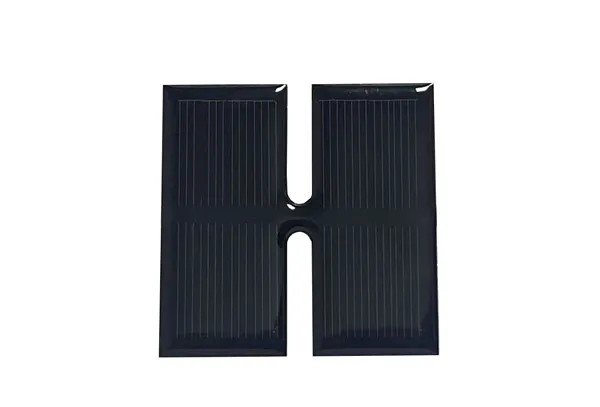
0.3W Epoxy Solar Panel
• Compact size
• Cost-effective solution
• Suitable for low-power devices
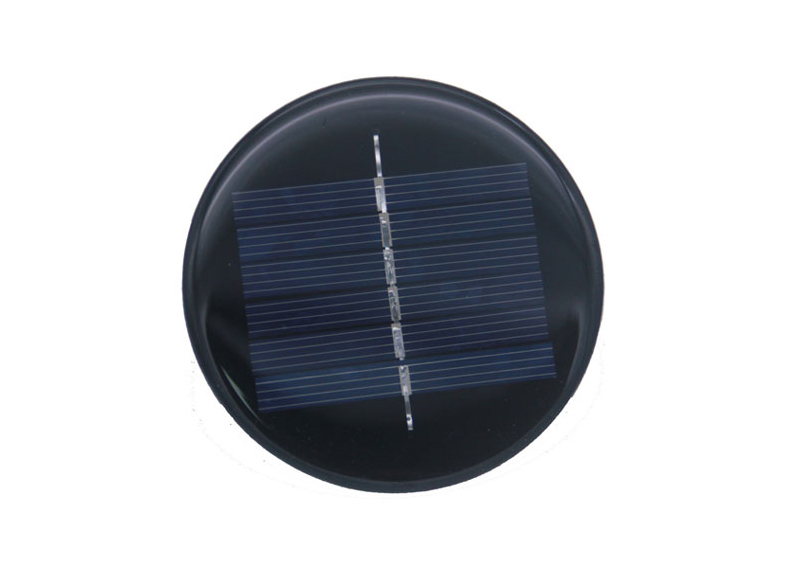
0.6W Epoxy Solar Panel
• Versatile power range
• Suitable for toys and sensors
• Stable indoor performance
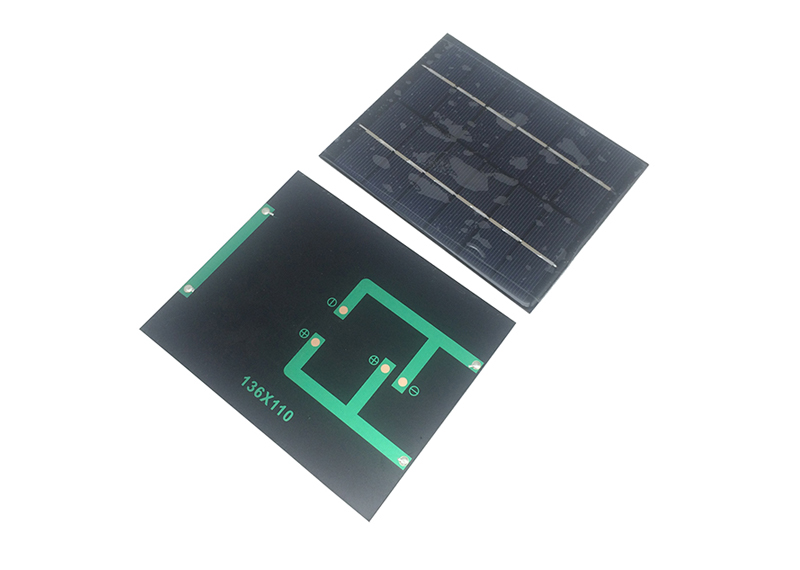
2W Epoxy Solar Panel
• Higher output for compact devices
• Suitable for smart electronics
• Custom voltage options available
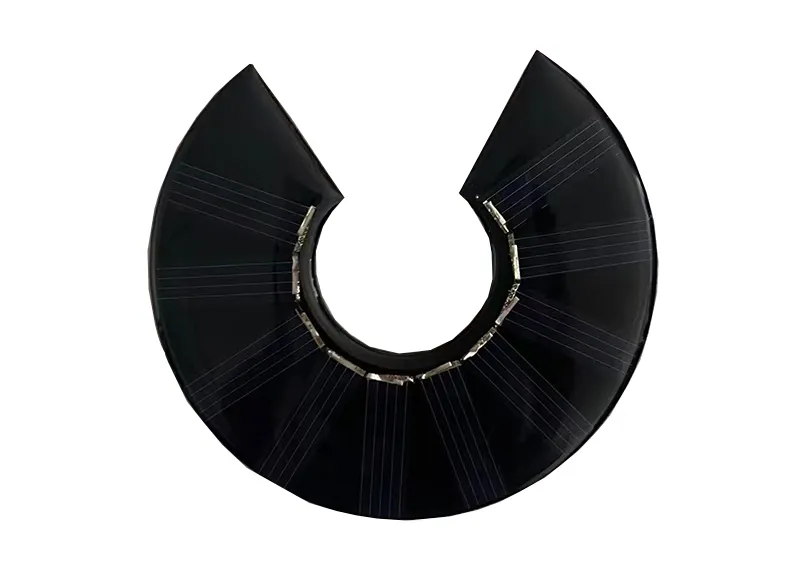
Custom Sizes & Voltages
• Custom panel dimensions
• Custom voltage and power output
• Cable, solder pad and connector options
Need a Custom Epoxy Solar Panel for Your Product?
Share your size, voltage, power and connection requirements. Our engineering team can help recommend the right epoxy solar panel configuration.
TYPICAL APPLICATIONS
Common Applications for Epoxy Solar Panels
Epoxy solar panels are widely used in compact, cost-sensitive products such as garden lights, solar road studs and children’s toys.

Toys & Educational Kits
Compact epoxy solar panels for solar toys, educational kits and DIY products requiring low cost and simple integration.

Garden Lights
Epoxy solar panels are commonly used in garden lights and decorative outdoor lighting where compact size and low-power charging are required.
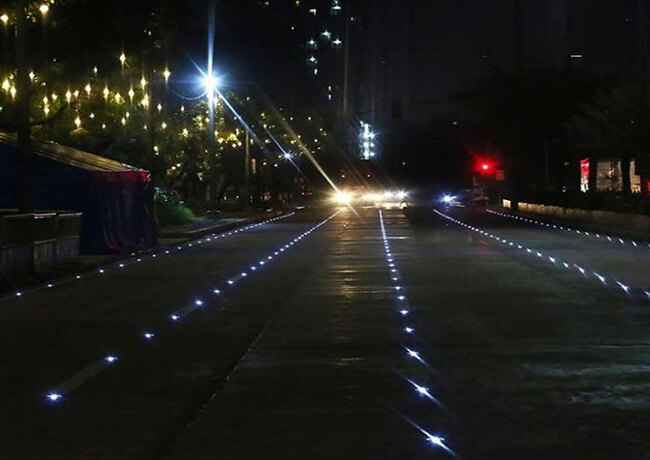
Solar Road Studs
Compact epoxy solar panels are suitable for solar road studs and pathway markers where low power consumption and simple integration are important.
Need an Epoxy Solar Panel for Your Product?
Share your product size, voltage, power and installation requirements. Our team can help recommend a suitable epoxy solar panel configuration.
SELECTION GUIDE
How to Choose the Right Epoxy Solar Panel
The right epoxy solar panel depends on the product environment, operating voltage, available installation space and target cost.
Use Environment
Confirm whether the product is used indoors, in a protected outdoor location or in light outdoor conditions.
Target Voltage
Match the solar panel voltage to your battery, charging circuit and electronic system requirements.
Available Installation Space
Panel dimensions should be designed around the available space, housing structure and product appearance.
Cost Target
Epoxy solar panels are a practical option for cost-sensitive products where compact size and simple integration are important.
Engineering Note:
Epoxy solar panels are best suited for indoor, protected or light outdoor applications where compact size, low cost and simple product integration are important.
For products exposed to long-term UV, frequent rain, large temperature changes or harsher outdoor conditions, ETFE or glass solar panels are generally more suitable.
MATERIAL COMPARISON
Epoxy vs PET vs ETFE vs Glass Solar Panels
Compare service life, thickness, durability and typical applications to choose the right solar panel material for your product.
| Feature |
Epoxy
Cost-Effective |
PET | ETFE | Glass |
|---|---|---|---|---|
| Typical Use | Indoor / light outdoor | Cost-sensitive compact products | Outdoor OEM products | Long-term outdoor use |
| Service Life | 1–2 years | 2–3 years | 5+ years | 10+ years |
| Typical Thickness | 2.5–3.5 mm | 1.8–2.5 mm | 1.8–2.5 mm | Varies by structure |
| Cost Level | Low | Low–Medium | Medium | Higher |
| Weight | Light | Light | Light | Heavier |
| Outdoor Durability | Limited | Moderate | Good | Excellent |
| Best For | Toys, garden lights, solar road studs | Entry-level compact products | IoT, remote monitoring, marine | Long-life outdoor equipment |
| Recommended When | Cost, compact size and simple integration are the main priorities | Lightweight structure and protected or light outdoor use are required | Better UV resistance and longer outdoor service life are needed | Maximum durability and long-term outdoor reliability are required |
MATERIAL SELECTION GUIDANCE:
Select the panel material based on service life, environment, structure and cost target. Epoxy is ideal for compact, cost-sensitive products, while ETFE and glass are better suited for longer-term outdoor applications.
PROJECT DEVELOPMENT
From Prototype to OEM Production
A clear development process helps verify product fit, electrical performance and integration before moving your custom epoxy solar panel into mass production.
Requirement Review
Review your product application, available installation space, battery system, target voltage, power requirements and expected order quantity.
Solar Panel Design
Define panel dimensions, cell layout, voltage, power output, cable configuration and mounting method based on your product requirements.
Prototype Development
Produce custom epoxy solar panel samples for dimensional fit, appearance, electrical performance and product integration testing.
04
Testing & Validation
Verify electrical output, dimensions, appearance and assembly compatibility before approving the design for mass production.
05
OEM Mass Production
Transfer the approved design into controlled OEM production with consistent materials, electrical testing and quality inspection before shipment.
Ready to Develop Your Custom Epoxy Solar Panel?
Share your product dimensions, voltage, power and application requirements. Our engineering team will review your project and recommend the next step.
OEM CUSTOMIZATION CAPABILITIES
What We Can Customize for Your Epoxy Solar Panel
XRSOLAR provides OEM epoxy solar panels tailored to your product structure, electrical requirements, mounting method and application needs.
Built Around Your Product Requirements
We provide OEM/ODM epoxy solar panel solutions for toys, garden lights, solar road studs and other compact electronic applications.
- Custom size, shape and power output
- Flexible connection and mounting options
- Suitable for compact, cost-sensitive OEM projects
Size & Shape
Customize panel dimensions, layout and shape to fit your product housing and available installation space.
Voltage & Power
Adjust panel voltage and power output based on your battery, charging circuit and device power requirements.
Cable & Connector
Customize cable length, wire type, solder pads and connector options to match your assembly requirements.
Mounting Method
Support adhesive backing, mounting holes and other fixing methods based on your product structure.
Panel Structure
Panel structure can be adjusted according to product usage, assembly method and durability requirements.
Logo & Packaging
OEM support includes logo marking, product labels and packaging customization for your project.
EPOXY SOLAR PANEL FAQ
Frequently Asked Questions About Epoxy Solar Panels
Common questions about epoxy solar panel applications, customization, samples, MOQ and production lead time for OEM projects.
Still Have a Technical Question?
Share your product size, voltage, power and application requirements. Our engineering team can help review whether an epoxy solar panel is suitable for your project.
Q1. Can epoxy solar panels be used outdoors?
Yes. Epoxy solar panels can be used indoors, in protected outdoor locations and in light outdoor environments. For long-term UV exposure, frequent rain or harsher weather conditions, ETFE or glass solar panels are generally more suitable.
Q2. What products are epoxy solar panels commonly used for?
Epoxy solar panels are commonly used for garden lights, solar road studs, toys, educational kits and other compact, low-power electronic products.
Q3. Can you customize the size, voltage, power and shape?
Yes. We can customize panel dimensions, shape, voltage, power output, cable configuration, mounting method and other details based on your product requirements.
Q4. Can you make samples before mass production?
Yes. We support prototype samples for dimensional fit, electrical performance, appearance and product integration testing before mass production.
Q5. What is the MOQ for custom epoxy solar panels?
Sample orders are typically 5–15 pieces. For mass production, the typical MOQ is around 1,000 pieces, depending on the panel design and specification.
Q6. What is the lead time for samples and mass production?
Sample lead time is typically around 15 working days. Mass production usually takes around 30 working days, depending on order quantity and customization requirements.
Need a Custom Epoxy Solar Panel for Your Product?
Share your product size, voltage, power and application requirements. Our engineering team can recommend a suitable custom epoxy solar panel solution.